
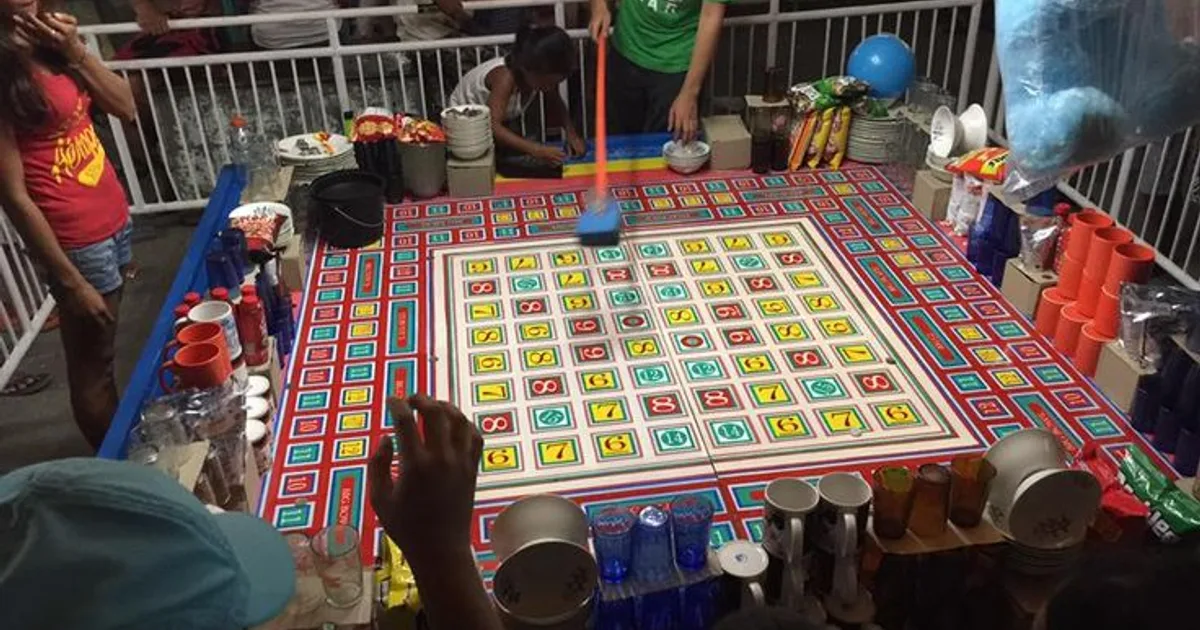
Few sights evoke greater nostalgia and cultural excitement across the Philippine provinces than the bright lights, bustling crowds, and rhythmic dice drops of a local town fiesta carnival—the traditional Peryahan. At the epicenter of every perya carnival sits the iconic Color Game, an engaging wagering game where players place coins across vibrant colored boards while an operator drops three multi-colored wooden dice through a funnel.
With the evolution of digital gaming, this beloved carnival tradition has transitioned seamlessly onto smartphones and desktop screens. Today, Filipino players can participate in live-streamed and algorithmic Online Color Game tables featuring real-time video feeds, mechanical dice tumblers, certified random number generators, and instant digital payouts.
While the game appears deceptively simple on the surface, understanding the mathematical probabilities behind a 3-dice drop, the structure of payout multipliers, and the reality of the operator's house edge separates recreational bettors from disciplined players. This comprehensive guide examines the rules of digital Color Game, true mathematical odds, payout structures, bankroll management systems, and verified cashout protocols.
Technical Specifications and Table Overview
Before wagering real money on digital Color Game tables, reviewing the core operational parameters provides insight into how the game is hosted online:
| Game Attribute | Specification | Practical Implication for Players |
|---|---|---|
| Game Format | Live Streaming Dealer / Certified 3D RNG | Choose between live studio hosts or rapid automated software |
| Dice Composition | Three Identical 6-Sided Color Dice | Each die features 6 distinct colored faces |
| Standard Colors | Yellow, White, Pink, Blue, Red, Green | Six primary betting positions available on the table felt |
| Perya Payout Structure | 1 Match: 1:1 │ 2 Matches: 2:1 │ 3 Matches: 3:1 | Payouts scale directly with the number of dice matching your color |
| Theoretical House Edge | Approximately 7.87% on Single Bets | Modest house advantage comparable to traditional carnival games |
| Betting Window | 15 to 25 Seconds per Round | Fast-paced rounds designed for rapid engagement |
| Table Stake Limits | PHP 5.00 to PHP 5,000.00+ per Color | Accommodates casual micro-bettors and high-stakes fiesta players |
| Supported Devices | Android (APK/Web), iOS (Safari), PC | Optimized for low-latency live video streaming on 4G mobile data |
How the Digital Color Game Works: Step-by-Step Flow
Whether you are playing on a live video stream where a human host pulls a mechanical lever, or playing on a virtual 3D software table, the gameplay follows a structured sequence:
[Betting Window Opens] ──> [Place Chips on Colors] ──> [Host Drops 3 Dice] ──> [Dice Settle in Tray] ──> [Payouts Dispatched]
Step 1: Placing Your Bets
When the betting round begins, a visual timer counts down on your screen (typically 15 to 20 seconds). Tap your desired chip denomination (e.g., PHP 10, PHP 50, PHP 100) and place it on one or more of the six colored squares displayed on your interactive betting grid: Yellow, White, Pink, Blue, Red, or Green.
Step 2: Betting Closes and Dice Release
Once the timer reaches zero, all wagers are locked. On live dealer tables, the host pulls a mechanical release string or lever that drops three physical cubes through an obstacle funnel onto a padded tray. On automated RNG tables, a digital shaker tumbler rolls the three dice and brings them to a halt.
Step 3: Result Verification and Payout
The three upward-facing sides of the dice determine the winning colors for that round. Payouts are calculated automatically according to how many dice match your selected colors:
- If none of the three dice show your chosen color, your bet on that color is lost.
- If one die displays your color, you receive a 1:1 payout (your original stake back plus an equal amount in profit).
- If two dice display your color, you receive a 2:1 payout (your original stake back plus double your wager in profit).
- If all three dice display your color (a triple match), you receive a 3:1 payout (your original stake back plus triple your wager in profit).
Once payouts are credited to user balances, the table clears and the next betting round commences immediately.
Mathematical Probability Analysis: The 216 Outcomes

To understand why Color Game carries an inherent mathematical house edge, we must examine the total number of permutations possible when rolling three independent 6-sided dice:
$$\text{Total Possible Outcomes} = 6 \times 6 \times 6 = \mathbf{216 \text{ Permutations}}$$
When you place a wager on a single color (for example, Yellow), all 216 possible outcomes break down into four distinct mathematical categories:
| Roll Event | Number of Permutations | Mathematical Probability | Payout Received | Net Profit Impact |
|---|---|---|---|---|
| Zero Matches (No Yellow) | 125 out of 216 | 57.87% of all rolls | Lose Entire Stake | -1.00 Unit |
| Single Match (One Yellow) | 75 out of 216 | 34.72% of all rolls | 1:1 Payout | +1.00 Unit |
| Double Match (Two Yellows) | 15 out of 216 | 6.94% of all rolls | 2:1 Payout | +2.00 Unit |
| Triple Match (Three Yellows) | 1 out of 216 | 0.46% of all rolls | 3:1 Payout | +3.00 Unit |
Calculating the Expected Return and House Advantage
If you placed a PHP 1.00 wager on Yellow across all 216 possible outcomes, the mathematical return calculates as follows:
- You lose your PHP 1.00 on 125 outcomes: -PHP 125.00
- You gain PHP 1.00 profit on 75 single matches: +PHP 75.00
- You gain PHP 2.00 profit on 15 double matches: +PHP 30.00
- You gain PHP 3.00 profit on 1 triple match: +PHP 3.00
- Total Net Balance: $-\text{PHP } 125 + \text{PHP } 75 + \text{PHP } 30 + \text{PHP } 3 = \mathbf{-\text{PHP } 17.00}$
Dividing that net loss of PHP 17 across the 216 total rolls yields the true mathematical house edge:
$$\text{House Edge} = \frac{17}{216} \approx \mathbf{7.87%}$$
This mathematical proof reveals that while single wins and double matches happen regularly, the casino maintains an average statistical advantage of 7.87% over extended betting sessions. Understanding this figure is essential for establishing realistic expectations and managing your bankroll responsibly.
Live Dealer Studio vs Random Number Generator (RNG) Formats
Digital gaming platforms host Color Game in two distinct presentation styles:
Live Dealer Studio Streaming
In live dealer games (such as those hosted by Casino Plus or local Philippine studio providers), the action is broadcast in high-definition video in real time.
- Physical Integrity: Human hosts operate real wooden dice tumblers on camera, allowing you to watch the physical descent and settlement of the dice without computerized graphical rendering.
- Social Ambiance: Features interactive live chat where players from across the country celebrate triple matches and share commentary.
- Round Pace: Slower, deliberate pacing (around 30 to 45 seconds per round) that naturally prevents players from placing wagers too rapidly.
Automated 3D Virtual Software
Virtual software versions (such as those developed by JILI Games or Kingmaker) use certified computational random number generators to determine outcomes.
- Speed and Convenience: Rounds resolve in under 10 seconds, appealing to players seeking rapid gameplay.
- Custom Pacing: Allows you to control when the dice drop, making it suitable for short, focused play sessions during daily commutes.
- Independent Testing: Certified by testing laboratories like BMM Testlabs to ensure that the virtual dice adhere strictly to true 1-in-6 probability distributions.
Betting Strategies and Bankroll Pacing Tactics
Because Color Game possesses an immutable 7.87% house advantage, no betting pattern or staking progression can mathematically overcome the casino's statistical edge in the long run. However, implementing structured tactical discipline prevents emotional tilt and extends your playtime:
Single-Color Focus vs Multi-Color Spreading
- The Single-Color Consistency Approach: Selecting one specific color (such as Red) and maintaining flat bets on that color across your session. While you will lose on approximately 57.87% of rolls, you capture 100% of the upside whenever double or triple matches land on your color.
- The Multi-Color Trap: Many beginners place chips on four or five colors simultaneously in an attempt to "win every roll." Because the house edge applies to every individual chip on the felt, spreading bets across multiple colors accelerates bankroll erosion and diminishes the net profit earned from double or triple matches. Bet on a maximum of one or two colors per round.
The Strict Unit Allocation Rule
Divide your total entertainment budget for the session into at least 50 equal betting units:
- If your budget for the evening is PHP 500: Your base bet should be PHP 10 per color.
- If your budget is PHP 2,500: Your base bet should be PHP 50 per color.
- Placing PHP 100 bets on a PHP 300 bankroll represents an extreme risk profile that can result in total balance loss within three or four unlucky rolls.
The Profit Lock-In Threshold
Establish a concrete win target before placing your first chip. Because variance in Color Game can produce lucky streaks where your color hits doubles twice in five rolls, decide that whenever your balance increases by 50% over your starting deposit, you will cash out your initial investment immediately via GCash or Maya.
Mobile Play and Payout Procedures
Participating in digital Color Game matches from your smartphone is seamless on modern Philippine platforms:
- Mobile Video Optimization: Live stream feeds dynamically adjust video bitrate according to your cellular connection, ensuring clear visual confirmation of the dice tray without buffering on standard 4G networks.
- E-Wallet Cashier Support: Regulated platforms facilitate instant deposits and fast withdrawals using GCash and Maya. Payout requests for cleared winnings are dispatched to verified player accounts within 15 to 45 minutes, complying with regulatory oversight from PAGCOR and financial directives enforced by the Bangko Sentral ng Pilipinas.
Responsible Gaming Commitment
Peryahan games are designed to celebrate community spirit and lighthearted amusement. Real-money betting should never be viewed as an income opportunity or an answer to financial difficulties. Always set strict spending boundaries, take frequent breaks, and never wager money allocated for family expenses. If gaming is causing you personal or financial distress, confidential professional assistance is accessible through Gamblers Anonymous and Gambling Therapy.
Frequently Asked Questions
What are the six standard colors in the Philippine Color Game?
The traditional Perya Color Game features six distinct colored faces on each of the three dice: Yellow, White, Pink, Blue, Red, and Green.
What is the mathematical payout if all three dice show my color?
If all three dice land on the color you wagered on, you receive a 3:1 payout (your original stake back plus three times your bet in profit).
What is the true house edge on the standard Color Game?
The mathematical house edge on standard single-color wagers is approximately 7.87%, resulting from the 125 losing outcomes out of 216 total permutations compared to the proportional payouts on single, double, and triple matches.
Is the online live dealer Color Game pre-recorded?
No. Licensed studio operators broadcast live dealer Color Game tables in real time with interactive chat feeds, visible time clocks, and physical dice tumblers to ensure total transparency.
What is the minimum bet allowed on digital Color Game tables?
Most partner platforms allow minimum bets starting at just PHP 5.00 or PHP 10.00 per color, allowing recreational players to participate with modest budgets.
Related Guides & Silo Navigation
- Return to Pinoy Traditional Games Hub — Complete guide to local card and carnival games.
- Online Tongits Real-Money Guide — Learn card melds, challenges, and Sapaw rules.
- Online Sabong & Cockfighting Overview — Live DS88 stream betting rules.
- MILYON88 GCash Deposit Tutorial — How to fund your balance for table games.
- Fast Withdrawal and Payout Guide — Complete KYC cashout requirements.